Electric Mobile Vending & Cold-Chain Tricycles: A Turnkey Food Business on Wheels
Most electric tricycles move goods. A small but fast-growing category does something more interesting: it **becomes the business**. The electric cold-chain vending tricycle is a three-wheeler fitted with a refrigerated f
Last reviewed on May 30, 2026
Quick Take
Most electric tricycles move goods. A small but fast-growing category does something more interesting: it **becomes the business**. The electric cold-chain vending tricycle is a three-wheeler fitted with a refrigerated f
Electric Mobile Vending & Cold-Chain Tricycles: A Turnkey Food Business on Wheels
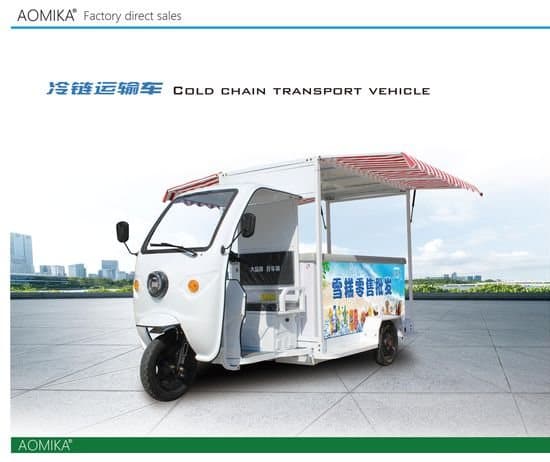
Most electric tricycles move goods. A small but fast-growing category does something more interesting: it becomes the business. The electric cold-chain vending tricycle is a three-wheeler fitted with a refrigerated freezer box, a power inverter, and a vending awning -- a complete mobile food operation that lets an entrepreneur sell ice cream, frozen treats, cold drinks, and prepared meals anywhere there is foot traffic. For importers and distributors, it is a differentiated, higher-value product that sells a dream as much as a vehicle: a low-cost path to self-employment. This guide explains the concept, the specs, and the opportunity.
The Concept: Delivery Vehicle + Freezer in One
A traditional street-food vendor needs a cart, a power source, and a way to keep product cold -- usually ice, which melts and limits range. The cold-chain vending tricycle solves all three at once:
- An insulated freezer box (commonly 800+ liters) maintains the cold chain electrically, so product stays frozen all day.
- A lithium battery and inverter power both the drivetrain and the refrigeration.
- A side awning and serving layout turn the parked vehicle into a shopfront.
The operator drives to a high-traffic spot -- a market, beach, park, school gate, or event -- raises the awning, and sells directly. No fixed rent, no ice runs, no fuel generator. It is the lowest-overhead food business there is.
Who Buys These
- First-time entrepreneurs wanting a complete, low-cost business in a box
- Ice cream and frozen-treat brands building mobile fleets for seasonal sales
- Dairy and beverage distributors extending direct-to-consumer reach
- Event and tourism operators at beaches, festivals, and resorts
- Existing food businesses adding a mobile channel
Because the vehicle generates income directly, buyers evaluate it on earning potential, not just price -- which supports a healthier margin for the seller.
Specifications That Matter
| Spec | Typical Cold-Chain Vending Trike |
|---|---|
| Freezer capacity | ~852 liters insulated box |
| Refrigerator size | ~2100 x 1000 x 820 mm |
| Drivetrain | 1000W brushless, 48-60V |
| Battery | Lithium (customizable capacity) |
| Inverter | 5000W for cold-chain + accessories |
| Top speed | ~26 km/h (vending-friendly) |
| Awning | Double side awning for serving |
| Load | ~500 kg |
Three things separate a good unit from a poor one:
- Insulation quality -- thicker, better-sealed boxes hold temperature longer and use less power.
- Battery and inverter sizing -- the system must drive and refrigerate through a full selling day; look for customizable battery capacity.
- Serving ergonomics -- awning, hatch placement, and interior layout determine how fast the operator can serve customers.
Why It Is a Smart Product to Stock
- Higher value, clearer ROI. At a wholesale price from $1,900, it sits well above a plain cargo trike -- and the buyer can see exactly how it pays for itself through daily sales.
- Differentiation. Few competitors stock purpose-built cold-chain vending trikes, so you are not fighting on price against commodity cargo models.
- Customization upsell. Freezer size, battery capacity, branding wraps, and serving layouts are all options buyers will pay extra for.
- Seasonal and year-round demand. Ice cream peaks in summer; drinks, dairy, and prepared meals sell all year.
Pricing and Shipping
Factory-direct cold-chain vending tricycles start around $1,900 for an 852-liter freezer model with a 1000W lithium drivetrain, 5000W inverter, and double side awning. Customization (larger freezer, bigger battery, branding) adds to that.
As a specialty, higher-value tricycle, it ships like other three-wheelers -- CKD packing in a 40HQ container -- so shared-container group-buying applies and lowers your per-unit freight. Review our FOB/CIF/DDU shipping terms guide to plan the trade terms.
Selling the Opportunity, Not Just the Vehicle
The most successful distributors of vending trikes market the business model, not the hardware. Help your customers understand the math: daily sales volume, product margin, and payback period. Offer a starter package -- vehicle plus branding and a basic product-sourcing tip sheet -- and you turn a one-time vehicle sale into a relationship that drives repeat and referral business.
Sourcing Checklist
- Prioritize insulation and battery/inverter sizing -- they decide selling hours.
- Confirm freezer capacity and serving layout match your customers' products.
- Offer customization (freezer size, battery, branding) as upsells.
- Check local food-vending and vehicle rules in your market.
- Group-buy the container to control freight on this specialty unit.
- Verify the supplier with our manufacturer checklist.
Start Sourcing
The electric cold-chain vending tricycle is one of the few products that sells a livelihood, not just a vehicle -- which is exactly why it commands attention and margin. Browse current specialty tricycle models and live container batches on our products page, and see how group buying lowers your landed cost on every unit.
Answer First
Frequently asked questions
Quick answers buyers usually need before they contact a factory or forwarder.
What is an electric cold-chain vending tricycle?
It is an electric three-wheeler fitted with an insulated, refrigerated cargo box (often 800+ liters), powered by a lithium battery and inverter. It keeps ice cream, frozen food, drinks and prepared meals cold while the operator sells from the street, combining a delivery vehicle and a mobile freezer in one unit.
How much does a cold-chain vending tricycle cost?
Factory-direct cold-chain vending tricycles start around $1,900 for a model with an 852-liter freezer, 1000W lithium drivetrain, 5000W inverter and a double side awning. The exact price depends on freezer size, battery capacity and customization. Group-buying shares the container freight.
What can you sell from a cold-chain tricycle?
Ice cream, frozen treats, cold drinks, dairy, prepared dishes and any temperature-sensitive product. The refrigerated box maintains the cold chain so vendors can park at high-traffic spots -- markets, beaches, schools, events -- and sell directly without a fixed shopfront.
Does the freezer drain the driving battery?
These models use a battery and inverter sized for both driving and refrigeration, and many can be customized with a larger pack to match long selling hours. Operators typically drive to a spot, then run the freezer from the same system while parked, recharging overnight.
Related articles
More guides from the same topic cluster.
Battery & Certification
EV Certification Guide: UN38.3, MSDS, CE and What Every Importer Must Know
Importing electric vehicles without the right certifications is one of the most expensive mistakes a buyer can make. Containers get held at customs. Shipments are rejected by freight carriers. Insurance claims are denied
Battery & Certification
LFP Battery Technology Explained: Why Smart Importers Choose Lithium Iron Phosphate
If you are importing electric vehicles or replacement battery packs, the single decision that most affects your customers' long-term satisfaction is battery chemistry. LiFePO4 battery wholesale -- commonly known as LFP o
Shipping & Logistics
Electric Cargo Tricycle Buyer's Guide: Load Capacity, Range & Wholesale Pricing
The electric cargo tricycle is the workhorse of emerging-market logistics. From market vendors and farmers to courier fleets and construction crews, millions of small businesses move goods on three wheels -- and they are