EV Certification Guide: UN38.3, MSDS, CE and What Every Importer Must Know
Importing electric vehicles without the right certifications is one of the most expensive mistakes a buyer can make. Containers get held at customs. Shipments are rejected by freight carriers. Insurance claims are denied
Last reviewed on February 23, 2026
Quick Take
Importing electric vehicles without the right certifications is one of the most expensive mistakes a buyer can make. Containers get held at customs. Shipments are rejected by freight carriers. Insurance claims are denied
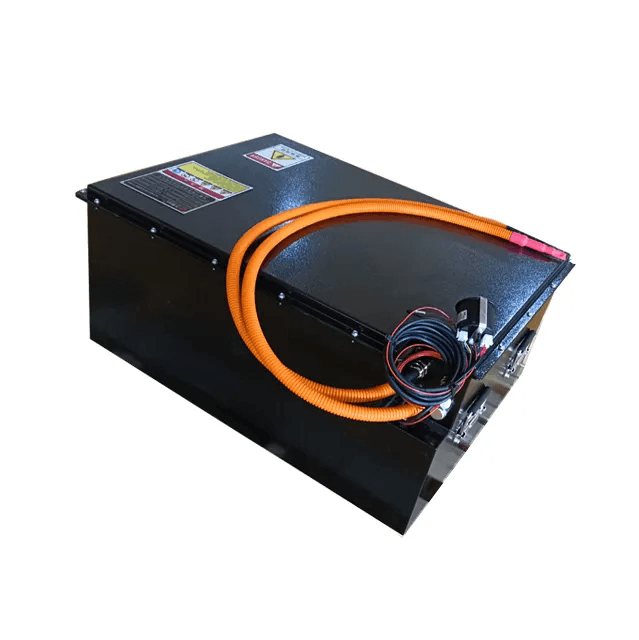
EV Certification Guide: UN38.3, MSDS, CE and What Every Importer Must Know
Importing electric vehicles without the right certifications is one of the most expensive mistakes a buyer can make. Containers get held at customs. Shipments are rejected by freight carriers. Insurance claims are denied. In some cases, improperly documented lithium batteries are simply confiscated and destroyed.
Whether you are importing electric motorcycles to Nigeria, electric tricycles to Bangladesh, or battery packs to Colombia, you need to understand which certifications are required, what they actually verify, and how to confirm they are legitimate.
This guide covers the seven most important certifications in the global EV import landscape and tells you exactly which ones apply to your market.
UN38.3: The Non-Negotiable Battery Safety Standard
UN38.3 is a United Nations testing standard that applies to all lithium batteries being transported internationally. It is not optional. Every shipping line, airline, and freight forwarder requires a valid UN38.3 test report before accepting lithium batteries for transport.
What it tests:
The UN38.3 standard subjects batteries to eight rigorous tests:
- Altitude simulation -- batteries exposed to low pressure equivalent to 15,000m altitude
- Thermal cycling -- rapid temperature changes between -40C and +75C
- Vibration -- simulating transport vibration over 3 hours
- Shock -- impact testing at high G-forces
- External short circuit -- resistance to accidental short circuits
- Impact/crush -- physical damage resistance
- Overcharge -- behavior when charged beyond rated capacity
- Forced discharge -- safety during over-discharge conditions
Who needs it: Every importer of EVs with lithium batteries, regardless of destination country. No UN38.3 report means no ocean freight, no air freight, and significant customs problems.
How to verify: Request the original test report, not just a certificate. The report should identify the specific battery model, the accredited testing laboratory, test dates, and pass/fail results for all eight tests. Cross-check the testing lab against accredited laboratory directories.
MSDS: Material Safety Data Sheet
An MSDS (also called SDS -- Safety Data Sheet under the newer GHS system) is a standardized document that describes the chemical composition, hazards, handling procedures, storage requirements, and emergency response measures for a product containing hazardous materials.
Why it matters for EVs:
Lithium batteries are classified as dangerous goods (Class 9) under international shipping regulations. The MSDS provides:
- Chemical composition of the electrolyte and electrode materials
- Fire hazard classification and extinguishing procedures
- Spill and leak response protocols
- Personal protective equipment requirements
- Transport classification and UN number
Who needs it: Every importer. Customs authorities require MSDS documentation. Insurance providers require it for coverage. Warehousing facilities require it for storage compliance.
Red flag: If a manufacturer cannot provide an MSDS for their battery, that is a serious warning sign. This document is standard for any legitimate battery manufacturer.
CE Marking: European Conformity
CE marking indicates that a product complies with EU health, safety, and environmental protection standards. While it originates from the European Union, CE marking is recognized and sometimes required in many non-EU markets across Africa and the Middle East.
What it covers for EVs:
- Low Voltage Directive (LVD) -- electrical safety for chargers and controllers
- Electromagnetic Compatibility (EMC) -- the vehicle does not emit excessive electromagnetic interference
- Machinery Directive -- mechanical safety requirements
- RoHS compliance -- restriction of hazardous substances in electronics
Markets that require or recognize CE: EU member states, Turkey, some North African countries (Morocco, Egypt, Tunisia), and several Middle Eastern countries. Many African importers also use CE as a quality benchmark even when not legally required.
How to verify: Ask for the Declaration of Conformity (DoC) document, the test reports from a Notified Body, and the CE certificate number. You can verify Notified Bodies through the EU's NANDO database.
EEC Type Approval: European Vehicle Registration
EEC (European Economic Community) type approval goes a step beyond CE marking. It is specifically for vehicles that will be registered and driven on public roads in Europe.
What it covers:
- Vehicle classification (L1e for electric bicycles, L3e for motorcycles, etc.)
- Braking performance
- Lighting and signaling requirements
- Maximum speed and power ratings
- Environmental performance
Who needs it: Importers selling into EU countries where vehicles must be registered. If you are importing to Africa or Latin America, EEC type approval is generally not required but can serve as a strong quality indicator.
DOT Certification: United States Standard
DOT (Department of Transportation) certification is required for any vehicle or vehicle component sold in the United States.
What it covers:
- Federal Motor Vehicle Safety Standards (FMVSS)
- Lighting and reflector standards
- Tire and rim specifications
- Braking requirements
Who needs it: Importers targeting the US market. Note that electric motorcycles in the US also typically need EPA (Environmental Protection Agency) compliance documentation, even though they produce zero tailpipe emissions, due to the regulatory framework.
CCC: China Compulsory Certification
CCC (also called 3C) is China's mandatory certification system for products manufactured and sold domestically in China. While it does not directly apply to exported products, it is an important quality indicator.
Why it matters for importers:
- A manufacturer with CCC certification has passed Chinese government quality inspections
- CCC covers electrical safety, EMC, and environmental standards
- Factories with CCC have established quality management systems
How to verify: CCC certificates can be verified through China's CNCA (Certification and Accreditation Administration) website. Ask the manufacturer for their CCC certificate number and cross-reference it.
ISO 9001: Quality Management System
ISO 9001 is not product-specific but rather certifies that a factory operates a quality management system meeting international standards.
What it means:
- Documented production processes
- Incoming material inspection
- In-process quality checks
- Final product testing
- Customer complaint handling
- Continuous improvement programs
Why it matters: A factory with ISO 9001 certification is far more likely to produce consistent quality. When you verify a manufacturer, ISO 9001 certification should be one of your first checks.
Which Certifications Do You Need? Market-by-Market Guide
| Market | Required | Recommended |
|---|---|---|
| Nigeria / West Africa | UN38.3, MSDS | CE, ISO 9001 |
| Kenya / East Africa | UN38.3, MSDS | CE, ISO 9001 |
| Mexico / Latin America | UN38.3, MSDS, NOM (Mexico) | CE, ISO 9001 |
| Bangladesh / South Asia | UN38.3, MSDS | ISO 9001, BIS (India) |
| Middle East (UAE, Saudi) | UN38.3, MSDS, ESMA/SASO | CE, ISO 9001 |
| European Union | UN38.3, MSDS, CE, EEC | ISO 9001 |
| United States | UN38.3, MSDS, DOT, EPA | ISO 9001 |
Red Flags: When Certifications Are Not What They Seem
Watch out for these warning signs:
- Certificates with no test report: A one-page certificate without a detailed test report behind it may be fabricated. Always ask for the full test report.
- Testing lab cannot be verified: If you cannot find the testing laboratory in accredited laboratory directories, the certification may be fraudulent.
- Certificate covers a different model: Some manufacturers use certifications from one product for a completely different one. Check that model numbers match exactly.
- Expired certificates: UN38.3 and CE certificates have validity periods. Ensure the certification is current.
- Self-declared without third-party testing: While CE allows self-declaration for some product categories, a manufacturer that has not engaged any third-party testing lab is a risk.
How EV GroupBuy Handles Certifications
All products listed on the EV GroupBuy platform include certification information on the product detail page. The platform works with pre-vetted manufacturers who provide original certification documentation. Before any supplier is onboarded, their certifications are verified against issuing authority databases.
When you place an order through group buying, the relevant certification documents -- UN38.3 test report, MSDS, CE certificate, and any market-specific documentation -- are included with your shipment and available for download from your order dashboard.
Need help understanding which certifications you need for your specific market? Contact us or browse our product catalog where certification details are listed for every item.
Answer First
Frequently asked questions
Quick answers buyers usually need before they contact a factory or forwarder.
What certification is mandatory for shipping lithium batteries internationally?
UN38.3 is the non-negotiable baseline because carriers and freight forwarders require a valid test report before they will accept lithium batteries for transport.
Is an MSDS enough to clear customs for electric vehicles?
No. An MSDS explains hazardous material handling, but importers usually also need market-specific compliance documents such as UN38.3, CE, DOT, EEC, SONCAP, or other local approvals.
How can I verify a supplier's EV certificates are real?
Ask for original reports, certificate numbers, test lab details, and declarations of conformity, then cross-check those details against the issuing laboratory or regulatory database.
Related articles
More guides from the same topic cluster.
Battery & Certification
LFP Battery Technology Explained: Why Smart Importers Choose Lithium Iron Phosphate
If you are importing electric vehicles or replacement battery packs, the single decision that most affects your customers' long-term satisfaction is battery chemistry. LiFePO4 battery wholesale -- commonly known as LFP o
Battery & Certification
Electric Mobile Vending & Cold-Chain Tricycles: A Turnkey Food Business on Wheels
Most electric tricycles move goods. A small but fast-growing category does something more interesting: it **becomes the business**. The electric cold-chain vending tricycle is a three-wheeler fitted with a refrigerated f
Shipping & Logistics
Electric Cargo Tricycle Buyer's Guide: Load Capacity, Range & Wholesale Pricing
The electric cargo tricycle is the workhorse of emerging-market logistics. From market vendors and farmers to courier fleets and construction crews, millions of small businesses move goods on three wheels -- and they are