Importing Electric Motorcycles from China to Mexico: Regulations, Costs & Opportunities
Mexico has emerged as one of the most promising markets for electric two-wheelers in Latin America. A combination of rising fuel prices, urban congestion, expanding delivery platforms, and growing environmental awareness
Last reviewed on February 23, 2026
Quick Take
Mexico has emerged as one of the most promising markets for electric two-wheelers in Latin America. A combination of rising fuel prices, urban congestion, expanding delivery platforms, and growing environmental awareness
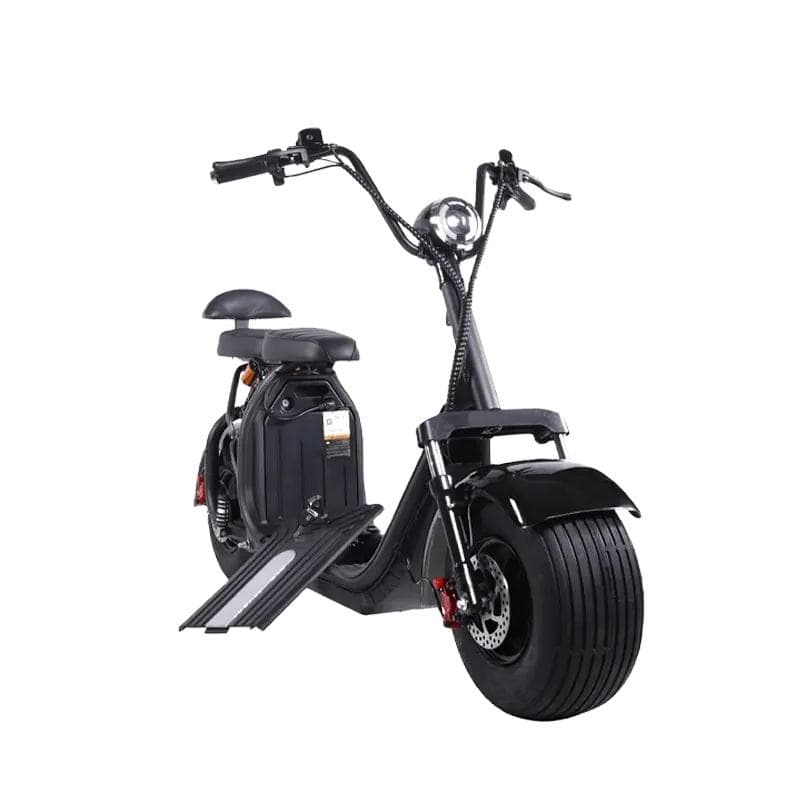
Importing Electric Motorcycles from China to Mexico: Regulations, Costs & Opportunities
Mexico has emerged as one of the most promising markets for electric two-wheelers in Latin America. A combination of rising fuel prices, urban congestion, expanding delivery platforms, and growing environmental awareness has created strong demand for affordable electric motorcycles -- and Chinese manufacturers offer the price point and product range that the Mexican market needs.
But importing electric vehicles into Mexico involves navigating specific regulations, certification requirements, port logistics, and customs procedures that can trip up first-time importers. This guide covers everything you need to know to bring your first container of electric motorcycles from China to Mexico successfully.
Mexico's Electric Vehicle Market: Current State and Growth
Mexico's EV market is in an early but rapidly accelerating phase. While the four-wheel EV segment attracts most media attention, the two-wheel segment is where the real volume opportunity lies for importers.
Key market drivers:
- Fuel costs: Gasoline prices in Mexico have increased steadily, with premium fuel exceeding 24 MXN per liter in major cities. A gasoline motorcycle rider spending 100-150 MXN per day on fuel can reduce that to under 15 MXN in electricity with an electric model.
- Delivery economy: Apps like Rappi, Uber Eats, DiDi Food, and Mercado Libre's logistics network employ hundreds of thousands of delivery riders across Mexico City, Guadalajara, Monterrey, Puebla, and other major cities.
- Government incentives: Several Mexican states offer reduced tenencia (vehicle ownership tax) for electric vehicles. Mexico City provides free parking and exemptions from Hoy No Circula driving restrictions for EVs.
- Infrastructure investment: Charging infrastructure is expanding, though for two-wheelers, standard household outlets (127V/60Hz) are sufficient -- no dedicated charging stations required.
The addressable market for electric motorcycles and scooters in Mexico is estimated at 200,000-400,000 units annually when accounting for delivery riders, urban commuters, and small business logistics.
Import Regulations and NOM Certification
Mexico's regulatory framework for imported goods is built around NOM (Norma Oficial Mexicana) standards. For electric motorcycles, the relevant standards include:
NOM-001-SEDE: Electrical installations and equipment safety standards. Applies to the charger and electrical system.
NOM-034-SE: Commercial information requirements for labeling. All imported products must carry labels in Spanish with specified information including country of origin, importer details, and technical specifications.
NOM-024-SCFI: For electromagnetic compatibility. Ensures the vehicle's electrical systems do not produce harmful interference.
Vehicle registration considerations: Electric motorcycles below 250W are classified as electric bicycles and face minimal regulation. Models above this threshold (including the 1500W-3000W range most commonly imported) must be registered as motorcycles, requiring the rider to hold a valid motorcycle license.
Practical compliance steps:
- Obtain a pedimento (customs declaration) through a licensed Mexican customs broker (agente aduanal). You cannot self-clear commercial imports.
- Provide NOM-compliant labeling in Spanish on the vehicle and packaging.
- Submit technical documentation including CE certificates, battery safety reports (UN38.3), and a declaration of conformity.
- Pay applicable import duties and IVA (16% value-added tax).
Working with an experienced customs broker in Veracruz or Manzanillo who has handled EV imports before is strongly recommended. Their expertise avoids costly delays at the port.
Shipping Routes and Freight Costs
The primary port of entry for Chinese goods into Mexico is Veracruz on the Gulf coast, though Manzanillo on the Pacific coast is also commonly used.
Shanghai/Ningbo to Veracruz:
- Transit time: 28-32 days
- Base freight (2W electric motorcycles): approximately $85 per unit at full container load
- Container capacity: 30-36 units per 40HQ depending on model dimensions
Shanghai/Ningbo to Manzanillo:
- Transit time: 22-26 days (shorter Pacific route)
- Base freight: approximately $80 per unit at full container load
- Container capacity: Same as above
These freight rates apply when the container is fully loaded. If you are shipping only 5-10 units without group buying, your per-unit freight can be 2-3 times higher due to LCL (less than container load) surcharges. This is precisely where EV GroupBuy's container sharing model delivers the most value -- see how batch allocation reduces your freight costs.
Additional landed costs to budget for:
| Cost Component | Estimated Amount |
|---|---|
| Import duty (tariff classification dependent) | 10-15% of CIF value |
| IVA (value-added tax) | 16% of (CIF + duty) |
| Customs broker fee | $300-$500 per shipment |
| Port handling and storage | $150-$300 per container |
| Inland transport (Veracruz to Mexico City) | $800-$1,200 per container |
Mexican Consumer Preferences
Understanding what Mexican buyers want helps you select the right models to import:
Design matters: Mexican consumers prefer sporty, modern designs over utilitarian styling. Models that resemble popular gasoline motorcycle aesthetics (sport-naked, scooter) sell better than those with an overtly "electric" look.
Color preferences: Black, matte gray, red, and white are the top-selling colors. Avoid bright or unusual colors for initial inventory.
Speed expectations: Urban riders in Mexico expect to keep pace with traffic. Models with 60-80 km/h top speed are preferred over slower 40 km/h models, even for delivery use.
Range requirements: Minimum acceptable range for urban delivery riders is 60-80 km. For commuters, 40-60 km is often sufficient given shorter daily distances.
Price sensitivity: The sweet spot for retail pricing of electric motorcycles in Mexico is 15,000-35,000 MXN ($850-$2,000 USD). Below this range, quality perception suffers. Above it, gasoline alternatives compete aggressively.
After-sales expectations: Mexican consumers expect local warranty support, spare parts availability, and repair service. Importers who establish even basic service points gain a significant competitive advantage over those who simply sell and hope for the best.
Price Competitiveness vs Local and Global Brands
The Mexican motorcycle market is currently dominated by brands like Italika (domestically assembled), Honda, Yamaha, and Suzuki in the gasoline segment. In the electric segment, local brand Voltz and Chinese brands like Sunra and Aima have established early presence.
Chinese-manufactured electric motorcycles imported through EV GroupBuy offer a 40-60% price advantage over comparable models sold through established distribution channels. This advantage stems from:
- Factory-direct sourcing: No trading company margins
- Container sharing: Freight costs distributed across multiple buyers
- Competitive EXW pricing: $528-$980 depending on specifications
- No brand premium: You build your own brand and capture the margin
A model retailing for 28,000 MXN through an established distributor can be imported, branded, and sold at 18,000-22,000 MXN with healthy margins intact.
Spanish-Speaking Support: Why It Matters
Importing from China involves technical communication about specifications, certifications, packaging, and logistics. Miscommunication leads to wrong configurations, missing documentation, and delayed shipments.
EV GroupBuy provides bilingual support in English and Spanish throughout the ordering and logistics process. This includes:
- Product specification sheets available in Spanish
- Order confirmation and shipping documentation with Spanish translations
- WhatsApp-based communication with Spanish-speaking team members
- Post-sale technical support for common assembly and troubleshooting questions
For Mexican importers accustomed to dealing with Chinese suppliers who communicate only in Mandarin or limited English, this eliminates a persistent friction point.
How to Start Importing to Mexico
The path from decision to delivery follows these steps:
- Research your local market: Identify whether delivery scooters, commuter motorcycles, or both have the strongest demand in your target city.
- Select models from our catalog: Browse available electric motorcycles filtered by the specifications that match Mexican market preferences.
- Choose Veracruz or Manzanillo as your destination port and review current freight rates.
- Join an open container batch: Share container space with other Mexico-bound buyers to access wholesale freight rates.
- Engage a customs broker: Provide them with the documentation package we supply (commercial invoice, packing list, CE certificates, UN38.3 reports, certificate of origin).
- Clear customs and distribute: Once cleared, arrange inland transport to your warehouse or distribution points.
Learn how our group buying model works and see current open batches for Mexican ports. Whether you are importing your first 5 units as a market test or scaling to full container loads, the process starts with a single step.
The Mexican electric motorcycle market rewards early movers. Position your business now while competition remains fragmented and consumer demand continues to accelerate.
Related articles
More guides from the same topic cluster.
Market Entry Guides
Electric Tuk-Tuk Buying Guide 2026: Specs, Prices & Best Models for Importers
The electric tuk-tuk -- known regionally as an auto-rickshaw, bajaji, keke, or three-wheeler taxi -- is one of the fastest-selling electric vehicles in emerging markets. As fuel prices climb and cities push for cleaner a
Market Entry Guides
Electric Boda Boda Revolution: Importing E-Motorcycles from China to Kenya
The boda boda is the backbone of Kenyan transportation. With an estimated 1.4 million motorcycle taxis operating across the country -- from downtown Nairobi to rural villages in Western Kenya -- the opportunity to import
Market Entry Guides
Electric Delivery Scooters: The Most In-Demand EV for Last-Mile Logistics
Across Africa, Latin America, the Middle East, and South Asia, one category of electric vehicle outsells every other: the delivery scooter. Food delivery apps, courier companies, e-commerce fulfillment services, and smal