Complete Guide to Electric Motorcycles from China: Categories, Specs & Pricing
China is the undisputed global leader in electric motorcycle wholesale, producing over 80% of the world's two-wheeled electric vehicles. For B2B importers across Africa, Latin America, the Middle East, and South Asia, so
Last reviewed on February 23, 2026
Quick Take
China is the undisputed global leader in electric motorcycle wholesale, producing over 80% of the world's two-wheeled electric vehicles. For B2B importers across Africa, Latin America, the Middle East, and South Asia, so
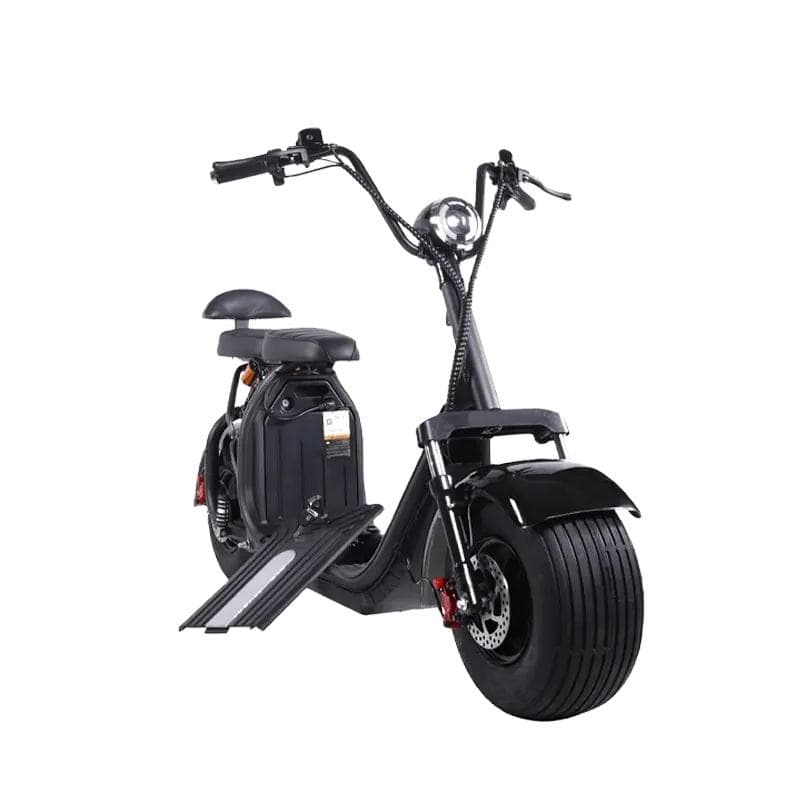
Complete Guide to Electric Motorcycles from China: Categories, Specs & Pricing
China is the undisputed global leader in electric motorcycle wholesale, producing over 80% of the world's two-wheeled electric vehicles. For B2B importers across Africa, Latin America, the Middle East, and South Asia, sourcing electric motorcycles wholesale from China represents the most cost-effective path to meeting surging local demand. This comprehensive guide breaks down every category, specification, price point, and logistics detail you need to make informed purchasing decisions.
Electric Motorcycle Categories: Matching Models to Markets
Chinese manufacturers produce three broad categories of electric two-wheelers, each designed for distinct use cases and regulatory environments.
Delivery and Utility Models
Purpose-built for last-mile logistics and commercial use, delivery electric motorcycles feature reinforced frames, extended rear racks, and batteries optimized for range over speed. These models typically run on 48V-60V systems with 800W-1500W motors, delivering top speeds of 40-55 km/h and ranges of 60-100 km per charge. They are the workhorse of platforms like food delivery services and courier operations in cities from Lagos to Bogota.
Key specifications to look for include payload capacity (usually 150-200 kg including rider), charging time (4-6 hours on standard AC), and water resistance rating (IP54 minimum for tropical markets). EXW pricing for delivery models ranges from $320 to $480 depending on battery capacity and motor power.
Commuter and City Models
The largest segment by volume, commuter electric motorcycles target daily transportation for urban and peri-urban riders. These models prioritize comfort, aesthetics, and affordability. Running on 60V-72V platforms with 1000W-2000W motors, commuter models reach 50-70 km/h with ranges of 70-120 km.
Commuter models are the ideal entry point for importers new to the EV market. They appeal to the broadest customer base and carry EXW prices of $420 to $650. Features that matter most in emerging markets include under-seat storage, USB charging ports, digital displays, and compatibility with both LFP and lead-acid battery packs.
High-Speed and Performance Models
For markets where electric motorcycles compete directly with 125cc-150cc petrol bikes, high-speed models deliver genuine performance. These machines use 72V systems with 2000W-3000W motors, achieving top speeds of 80-100 km/h with ranges of 80-150 km on larger battery packs. Frame and suspension quality matches their ICE counterparts, with disc brakes front and rear, telescopic forks, and alloy wheels.
EXW pricing for high-speed models ranges from $580 to $845. Importers should verify that these models meet local speed and safety regulations, as some markets cap electric motorcycle speeds at 50 km/h without additional licensing requirements.
Battery Technology: LFP Dominance in 2026
The single most important component in any electric motorcycle is its battery pack. In 2026, Lithium Iron Phosphate (LFP) has become the standard for Chinese-manufactured electric motorcycles intended for export, and for good reason.
LFP batteries offer 2,000+ charge cycles compared to 300-500 for lead-acid alternatives, translating to a 5-7 year usable lifespan under normal conditions. They are inherently safer, with no risk of thermal runaway, and perform well in the high-temperature environments common in African and South Asian markets. Voltage configurations for electric motorcycles typically range from 48V to 72V, with amp-hour ratings from 20Ah to 45Ah.
Every battery pack exported from China must carry UN38.3 certification (transport safety testing) and an MSDS (Material Safety Data Sheet). These are non-negotiable for ocean freight and customs clearance. Reputable manufacturers provide these documents as standard. Read our detailed guide on LFP battery technology for a deeper understanding of why smart importers choose lithium iron phosphate.
Certifications and Compliance
Depending on your target market, electric motorcycles from China may need one or more of the following certifications:
- CE Marking -- Required for most African and some Middle Eastern markets that follow European standards. Covers electromagnetic compatibility and safety directives.
- EEC (European Economic Community) Type Approval -- Required for road-legal electric motorcycles in markets that follow EU vehicle regulations. Categories L1e (mopeds up to 45 km/h) and L3e (motorcycles above 45 km/h) are most relevant.
- COC (Certificate of Conformity) -- Accompanies EEC approval, issued per vehicle.
- Local Standards -- Nigeria (SON), Kenya (KEBS), India (BIS/ARAI) each have their own requirements. Your Chinese manufacturer should be able to provide or assist with these.
Always confirm certification availability before placing an order. Retrofitting certifications after shipment is expensive and often impossible. Browse our product catalog to see which models come pre-certified for your market.
Pricing Breakdown: What Drives the Cost
Electric motorcycle EXW (Ex-Works) prices from Chinese factories are determined by several key factors:
| Component | Percentage of Cost | Notes |
|---|---|---|
| Battery Pack | 35-45% | LFP costs more upfront than lead-acid but lasts 5x longer |
| Motor & Controller | 15-20% | Hub motors are cheaper; mid-drive motors offer better performance |
| Frame & Body | 15-20% | Steel vs. aluminum; mold exclusivity affects pricing |
| Electronics & Wiring | 8-12% | Digital displays, GPS modules, app connectivity add cost |
| Assembly & QC | 5-8% | Higher for EEC-certified models |
Price ranges by category (EXW, 2026):
- Delivery/Utility: $320 - $480
- Commuter/City: $420 - $650
- High-Speed/Performance: $580 - $845
Minimum order quantities (MOQs) from most factories range from 50 to 100 units. However, through group buying on EV GroupBuy, you can access factory-direct pricing at much lower quantities by sharing container space with other importers headed to the same port.
Container Loading and Shipping Logistics
Electric motorcycles are shipped in 40HQ (40-foot high-cube) containers. Loading capacity depends on the model size and packaging method:
- CKD (Completely Knocked Down): 60-80 units per 40HQ. Motorcycles arrive disassembled, requiring local assembly. Lowest freight per unit but requires assembly infrastructure.
- SKD (Semi Knocked Down): 40-55 units per 40HQ. Major components pre-assembled; only final assembly needed (attach handlebars, mirrors, wheels).
- CBU (Completely Built Up): 30-40 units per 40HQ. Fully assembled and ready to ride. Highest freight per unit but zero assembly requirement.
For most importers entering the market, SKD offers the best balance between freight cost and operational simplicity. Our group buying model is designed around shared 40HQ containers, with each batch targeting 36 units to optimize freight division. Base freight rates to popular ports range from $85-$150 per unit depending on destination.
How to Source Effectively
Sourcing electric motorcycles from China requires more than finding the lowest price. Consider these factors:
- Factory Verification: Visit or have a third party inspect the factory. Verify production capacity, quality management systems (ISO 9001), and existing export experience.
- Sample Orders: Always order 1-2 samples before committing to a container. Test them in your actual market conditions for at least 30 days.
- After-Sales Support: Confirm parts availability and technical support. A motorcycle without spare parts is a liability, not an asset.
- Payment Terms: Standard terms are 30% deposit via TT (telegraphic transfer) with 70% balance before shipment. Letters of credit are available for larger orders.
Start Importing with Confidence
Whether you are a first-time importer or an established distributor looking to add electric motorcycles to your lineup, the key is starting with the right partner and the right model for your market. Browse our current inventory to see available models with verified specs and transparent pricing, or learn how container sharing works to reduce your landed cost per unit.
EV GroupBuy connects you directly with vetted Chinese manufacturers and fellow importers shipping to your region. Join an open batch today and take the first step toward building your electric mobility business.
Related articles
More guides from the same topic cluster.
Market Entry Guides
Electric Tuk-Tuk Buying Guide 2026: Specs, Prices & Best Models for Importers
The electric tuk-tuk -- known regionally as an auto-rickshaw, bajaji, keke, or three-wheeler taxi -- is one of the fastest-selling electric vehicles in emerging markets. As fuel prices climb and cities push for cleaner a
Market Entry Guides
Electric Boda Boda Revolution: Importing E-Motorcycles from China to Kenya
The boda boda is the backbone of Kenyan transportation. With an estimated 1.4 million motorcycle taxis operating across the country -- from downtown Nairobi to rural villages in Western Kenya -- the opportunity to import
Market Entry Guides
Electric Delivery Scooters: The Most In-Demand EV for Last-Mile Logistics
Across Africa, Latin America, the Middle East, and South Asia, one category of electric vehicle outsells every other: the delivery scooter. Food delivery apps, courier companies, e-commerce fulfillment services, and smal